One number
A single referral line for bed bug calls in Rockford.
Bed bug follow-up treatment in Rockford, IL is the scheduled return visit that checks whether the first round worked and deals with bugs that have hatched or stayed hidden since. Calls to this line are connected with an independent local provider serving houses, duplexes, apartments and rentals across Rockford. If you have seen a live bug or new bites after treatment, call and describe what you found.
A single referral line for bed bug calls in Rockford.
Providers usually inspect before giving a price.
Calls go to providers who serve Rockford.
Look up the company in IDPH's business search.
Most return visits combine a fresh inspection with treatment of active spots and a check of the monitors. Ask what is covered and what costs extra.
The provider rechecks mattress seams, box springs, bed frames, headboards, upholstered chairs and baseboards for live bugs, eggs, cast skins and new spotting. A few providers bring a detection dog or thermal camera; ask whether yours does and how its findings get confirmed.
Any spot still showing live bugs is treated again, often with a residual along frames and edges and a dust in cracks and voids. In Illinois, pest control businesses are licensed by IDPH. Ask which areas are covered if bugs return there.
Cups placed under each bed leg catch bugs heading to or from the bed, and more monitors may go along baseboards or next to sofas. Ask whether monitors are part of the visit and who checks them in between.
Ask for written notes listing what was found, which rooms were treated, which products were applied and whether another visit is advised. Owners and tenants often keep these with lease or repair records.
Each provider sets its own re-treatment terms. Ask how long any coverage lasts, which rooms it includes, what counts as new activity, and whether bugs brought in from a trip or a used couch are excluded. This site cannot promise any terms, so get them written down.
Describe what you have found and hear the next step from a provider in your area.
In Rockford, bed bug follow-up treatment is a planned return visit that confirms whether earlier work held and handles any eggs, nymphs or adults that remain. Many providers come back about two weeks after the first treatment, though timing depends on the method and what was found. A typical visit includes a complete re-inspection, treatment of active areas and a check of interceptors and encasements. Ask the provider how long the visit will take in your home.
Return visits are routine because no one treatment reaches every bug. Eggs sit wedged in seams and cracks, some products leave them unharmed, and nymphs can hatch after a spray has dried. Bugs in wall voids, outlets or clutter can also escape the first round. IDPH notes that aerosol space treatments are ineffective against well-hidden bed bugs. Calls about bed bug re-treatment in Rockford, from Haight Village and Brown's Hills-Knightsville to Churchill Grove and the Rockford part of 61108, are routed to an independent local provider.
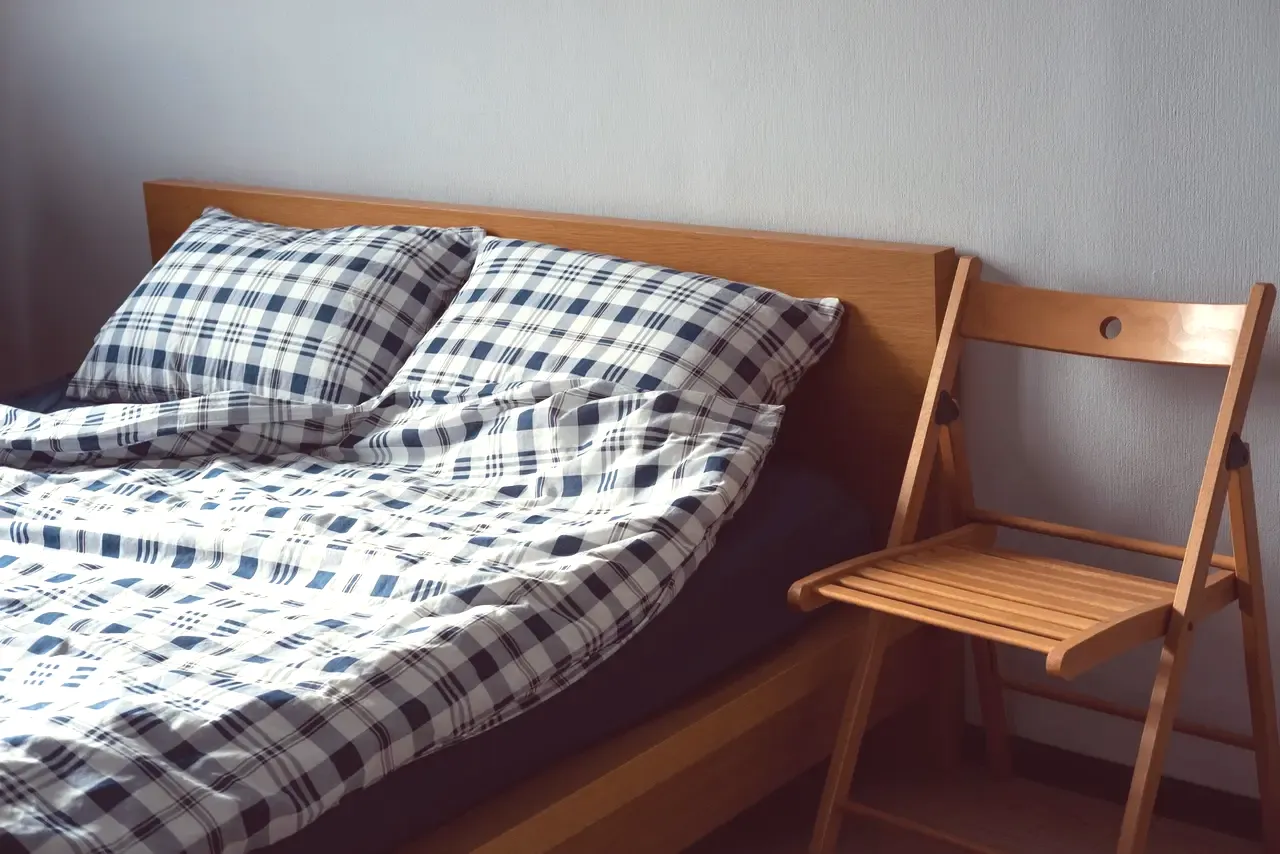
Ahead of the return trip, the provider usually explains prep: launder bedding and dry it on high heat, keep clean items sealed in bags, pull beds away from the wall, and vacuum seams and edges. Unless told otherwise, leave encasements and interceptors in place. Ask for the prep sheet in writing so nothing is missed.
The provider begins in the bedroom and then moves on to nearby rooms and seating: mattress seams, box springs, frames, headboards, nightstands and baseboards. Interceptor cups are emptied and what they hold is read. A few providers add a dog or thermal camera, so ask. Active spots are usually pointed out so you know where bugs remain.
Any spots still active are treated again, often with a residual along frames and edges and a dust in cracks, voids and outlets. If the first product did not hold, the provider may change types. Ask how long to stay out of treated rooms and when beds can be slept in.
Interceptors under the bed legs are emptied, cleaned or replaced, and additional monitors may go along baseboards or near sofas. They catch bugs still on the move, giving early warning between visits. Ask how often to look at them, what a catch looks like and when a photo should go to the provider.
Before the provider leaves, ask for notes on what turned up, what was treated, and whether a third visit is advised. Heavy infestations, cluttered rooms and shared walls can stretch a job past two visits. Ask how that decision is made and whether extra visits fall under the terms you agreed to.

Some providers bring trained detection dogs that point to likely hiding places. Ask whether a dog is used, who handles it, and how alerts are confirmed by eye.
Some providers use thermal cameras during heat work to follow furniture and wall temperatures. On a return visit, ask whether one is used and what it shows.
Residual products are applied to bed frames, baseboards and furniture joints as the label directs. They keep working on bugs that cross the treated surface for some time after the visit.
Dust is puffed into wall voids, outlet boxes and cracks that liquids cannot reach. It dries out bugs that walk through it and can last a long time if left undisturbed.
Interceptor cups under every bed leg catch bugs climbing up or down. Checked between visits, they show whether bugs are still active and where to look next.
Zippered encasements seal the mattress and box spring so trapped bugs cannot escape or feed, and the smooth fabric is easier to inspect. Keep them closed and check them for tears.
A HEPA-filter vacuum pulls bugs and eggs from seams; seal the bag or the canister contents and take them outside at once. Steam passed slowly kills eggs and nymphs in fabric and along edges.
A careful provider works room by room, starting where people sleep and moving through seating, closets and baseboards. Each find is checked by eye so old stains are not taken for new activity. Ask how long the re-inspection will take in your home and which rooms it covers.
A residual on exposed surfaces and a dust in cracks and voids work together. The residual acts on bugs that cross it, and the dust reaches bugs hiding where liquids cannot go. Ask which pairing the provider plans for your return visit and why.
If bugs survive the first product, providers commonly switch to another class, such as an insect growth regulator or a product with a different mode of action. Rotation helps where bugs resist one class. Ask which class was used before and why it is changing.
Interceptors and other monitors are placed or reset at every return visit. Check them weekly and keep a dated log with photos of any catch. Ask how long monitoring should continue and what sort of catch calls for another visit.

Calls like this are common. The provider usually re-inspects the unit and, with the owner's consent, the neighboring units, then works out whether the bug came from the original bedroom. Active areas are retreated and interceptors go under the bed legs. Written notes help the tenant and property manager agree on next steps. A single bug does not always mean the treatment failed, but report it in writing right away.
Heat acts on the rooms it reaches, but bugs sheltering in wall voids, cooler corners or rooms left out of the job can survive. Bites can also come from something else, which is why a re-inspection matters. The provider looks for live bugs and other signs, then treats whatever was missed, often with a residual or a dust. Ask how long to keep monitors in place afterward.
A standalone inspection before moving day can cover bedrooms, closets and any furniture left by the previous occupants. If signs appear, the provider can explain treatment options before any boxes are carried in. If not, monitors near the beds offer early warning later. Moving boxes and used furniture can carry bed bugs too, so check them as they arrive and keep beds away from the walls.
The provider can schedule a re-inspection and record the date, what was checked and what was found. If activity turns up, treatment and another visit come before the new lease. Notes like these support the rental file. An inspection reflects only the day it happens, so ask how long monitors should stay after a new tenant moves in.
Rockford's housing shapes how return visits play out. The city has 67,423 housing units with a median year built of 1963; 74.3 percent were built before 1980, 46.5 percent before 1960 and only 1.6 percent in 2010 or later. Renters occupy about 45.1 percent of occupied homes, while 33.4 percent of units sit in buildings with two or more units and 16.6 percent in buildings with five or more. In shared buildings, bed bugs can move along walls, pipes and hallways, so providers often spend extra time on neighboring units and on notes for property managers. In single-family houses the focus is usually bedrooms, sofas and anything carried in from outside. Bed bugs are an indoor pest in every month, and IDPH says they "hitchhike" more easily than ever. In March 2025 the Winnebago County Health Department ran bed bug prevention sessions for residents of a local housing complex. Illinois structural pest control businesses are licensed by IDPH, and you can look a company up in its Pest Control Business Search. Bed bug treatment does not require a city permit.
Bounded by South Madison, Walnut and Kishwaukee Streets in 61104. Return visits here often look closely at wall voids and baseboard gaps, plus any unit attached to the home.
A historic district along North Second Street in 61107. Return visits here often focus on bedrooms, sofas and anything bought secondhand or brought back from a trip.
West Downtown Rockford, the Avon Street West End area and South Main Street. Return visits here focus on bedrooms and on items brought in from outside.
Churchill Grove, Edgewater, Garfield Avenue, Indian Terrace and Garrison-Coronado-Haskell. If a store-bought spray came first, mention it, since the provider may move to another product class.
Bed bugs can cross between units through wall voids and pipe openings, so a return visit confined to one unit may never find the source. Ask if the units on each side, above and below should be inspected and treated in the same round.
Heated homes give bed bugs no off season, so there is no reason to put off a return visit because of the weather. Book it when the provider advises and keep the monitors down.
Bed bugs hide in luggage, bags, clothing and used sofas, and IDPH says they hitchhike more easily than ever. A bug found after a clean visit may be a new arrival, so tell the provider about recent trips or purchases.
IDPH licenses pest control businesses and certifies technicians. Check the company in its Pest Control Business Search, and ask for product labels if you want them.
A typical situation: around two weeks after the landlord's first treatment, a tenant spots a live bug on the sofa and bites begin in the second bedroom. The tenant reports it in writing, and the property manager calls to book a return visit before it spreads.
What usually comes next: the provider re-inspects both bedrooms and the sofa, treats active spots with a residual plus a dust in cracks, and sets interceptors under the bed legs. Prep, clutter and neighboring units all affect the outcome, so monitoring continues afterward.
Afterward: Keep the interceptors under the bed legs and check them weekly. Vacuum along seams and edges regularly, and run bedding through a hot wash and dryer. Report new bites or catches in writing within the period the provider's terms allow.
A typical situation: three weeks after a heat treatment, a homeowner is still waking up with bites. The heat reached the bedroom, but bugs may have sheltered in a wall void behind the headboard or in a different room. A return inspection is needed to find the source.
What usually comes next: the provider looks for live bugs at the headboard, outlets and baseboards, may puff dust into the wall void, and closes gaps. A later recheck shows whether the activity has stopped.
Afterward: Leave any dust in the wall voids undisturbed. Keep monitors along the baseboard and replace them as the provider suggests. Seal new cracks around outlets and trim, and inspect luggage after every trip before carrying it inside.
A typical situation: after two treatments in one apartment, the neighbor on the other side of the wall starts reporting bites. The bugs may have moved through a shared plumbing chase or wall. The property manager needs notes and a plan covering both apartments, not just the first one.
What usually comes next: the provider checks both units and the shared chase, puts dust in the voids, treats active spots in each apartment and writes notes for each tenant file. Ongoing monitoring shows whether either unit still has bugs.
Afterward: Ask how often the shared chase and neighboring units should be rechecked over the coming months. Keep the notes on file, and remind tenants to report bites in writing and to check luggage after travel.
Treatments that fall short tend to do so for the same handful of reasons. A planned return visit is meant to catch each one before it grows into a larger infestation.
Left alone, a few surviving females keep laying eggs, and a new generation can mature within weeks, so a small miss can grow before anyone notices. The provider re-inspects, finds where the first round fell short and treats those spots again, sometimes with a different product type. A careful look helps tell whether the bug survived treatment or hatched afterward. Report it promptly, and stick the bug to clear tape if you can.
Bed bugs can travel between rooms along baseboards and on clothing, bags and furniture, so treating only the first bedroom can leave another room active. Ask the provider to re-inspect every room where people sleep or sit, including closets, living room seating and any used pieces you brought home. Each active spot is treated, and every room gets monitors of its own.
Without written notes the disagreement drags on while the tenant keeps getting bitten. No Illinois state law on bed bugs was found, and IDPH says its program does not have authority to hold a landlord accountable. Rockford's property maintenance code requires structures to be kept free from insect infestation, and the Neighborhood Standards Department takes complaints through Report a Concern. Ask the provider for dated notes and give both sides copies.
Hardware store sprays kill some bugs on contact but miss eggs and hidden bugs, and IDPH says aerosol space treatments are ineffective against well-hidden bed bugs. Weeks later the bugs return, sometimes less affected by that product type. The provider re-inspects, locates the remaining activity and may change product classes. Say exactly what you used and where.
Set by the provider after inspection; some plans already include return visits
The provider, not this site, sets the cost of a follow-up in Rockford, and many providers build one or more return visits into the price of the first treatment. A standalone visit, such as a second opinion or a check before a move, is usually priced on its own. Cost depends on how many units are involved, the size of the home, clutter, whether neighboring units need inspecting and which methods are used. Ask for the quote in writing, along with the cost of an extra trip if live bugs show up in a treated room.
A return visit gives you a second careful inspection and a written result, generally a far smaller job than starting full treatment over or replacing furniture. Ask which re-treatment terms apply to a treated room that shows activity, and for how long.
One home or apartment is a lighter job than several units. Every added unit means more inspection and treatment time. Managers with several units in one building can ask how the provider prices the whole building in one plan.
A small apartment takes less time to inspect and treat than a large house with several bedrooms. Larger homes also need more product, so ask how size affects the quote.
Clutter gives bugs more cover and slows the inspection down. If bedding was not washed or beds stayed against walls, the visit may run longer and need another pass. Good prep usually keeps the return visit simpler and quicker.
In Rockford duplexes and apartment buildings, the units on either side may need checking. Ask whether those units are quoted separately and how that work is billed. Checking next door is often the quickest way to find the source.
If the first treatment did not hold and the provider switches to another product class, such as an insect growth regulator, the price may change. Ask why the switch is recommended and how it changes the quote.
This site is a referral service, not a pest control company, and it holds no pest control license. You can, however, check the provider before the return visit. In Illinois, the Department of Public Health's Structural Pest Control Program licenses structural pest control businesses and certifies technicians, and IDPH says a business "must first employ at least one person who is a CERTIFIED TECHNICIAN." You can find a company in IDPH's Pest Control Business Search. IDPH also notes that "Space treatments with aerosols are ineffective against well-hidden bed bugs." Ask for license details, product labels and re-entry times in writing, and confirm the provider's insurance before work begins.
A tenant whose unit has already been treated finds a bug about two weeks later, one of the most common reasons people call about follow-up. The call goes to a provider who can describe the return visit, recheck the bed and box spring, and treat any active spots. Expect questions about whether interceptors are in place and what you have noticed.
An owner of a small building sees bed bugs returning in one apartment. The caller is connected with an independent provider who can re-inspect that unit, its wall voids and, with permission, the units around it, then treat what is found. Ask for written notes for the tenant file and expect advice on monitoring the building for months.
Before signing a new lease, a renter wants a second opinion on the treatment the landlord arranged. The caller is connected with a provider who can explain what an inspection covers and what notes come out of it. Findings reflect only the day of the visit, so monitors under the bed legs are often recommended. Expect plain answers and no pressure.
Tell the provider right away, and in writing if you rent. Many providers include a return visit for a set period after treatment, but terms vary, so check yours. The provider re-inspects, works out whether the sign is a live bug or old debris, and treats any active spots. Many comebacks trace back to eggs that hatched after the first treatment, or to new bugs carried in on luggage or furniture.
Usually, yes. A single treatment kills plenty of bugs yet can miss eggs and bugs tucked deep in cracks, and those eggs may hatch later. A return visit scheduled after the hatch catches the new nymphs before they can breed. IDPH notes that aerosol space treatments fail against well-hidden bed bugs, which is why planned follow-ups matter.
That depends on the size of the infestation, the method used and how thorough the prep was. Many homes need two visits, while heavy infestations, cluttered rooms and shared walls can need more. After each return visit, ask whether another is recommended and why. No one should push you into visits you do not need.
This site does not quote prices; the provider sets the cost after inspecting. Many providers include one or more return visits in the original treatment price. Standalone visits, such as a second opinion or a move-in check, are quoted on their own. Cost reflects the number of units, the size of the home, clutter, neighboring units and how much prep was done.
Don't see your question? Call the referral line and a local provider can go over timing and next steps.
Ask a provider
An inspection searches for live bugs, eggs, cast skins and fecal spotting before any treatment is chosen. A few providers also use a dog or thermal camera, so ask. If you are not sure you have bed bugs, start here. What it finds shapes the treatment and the return visits.
View service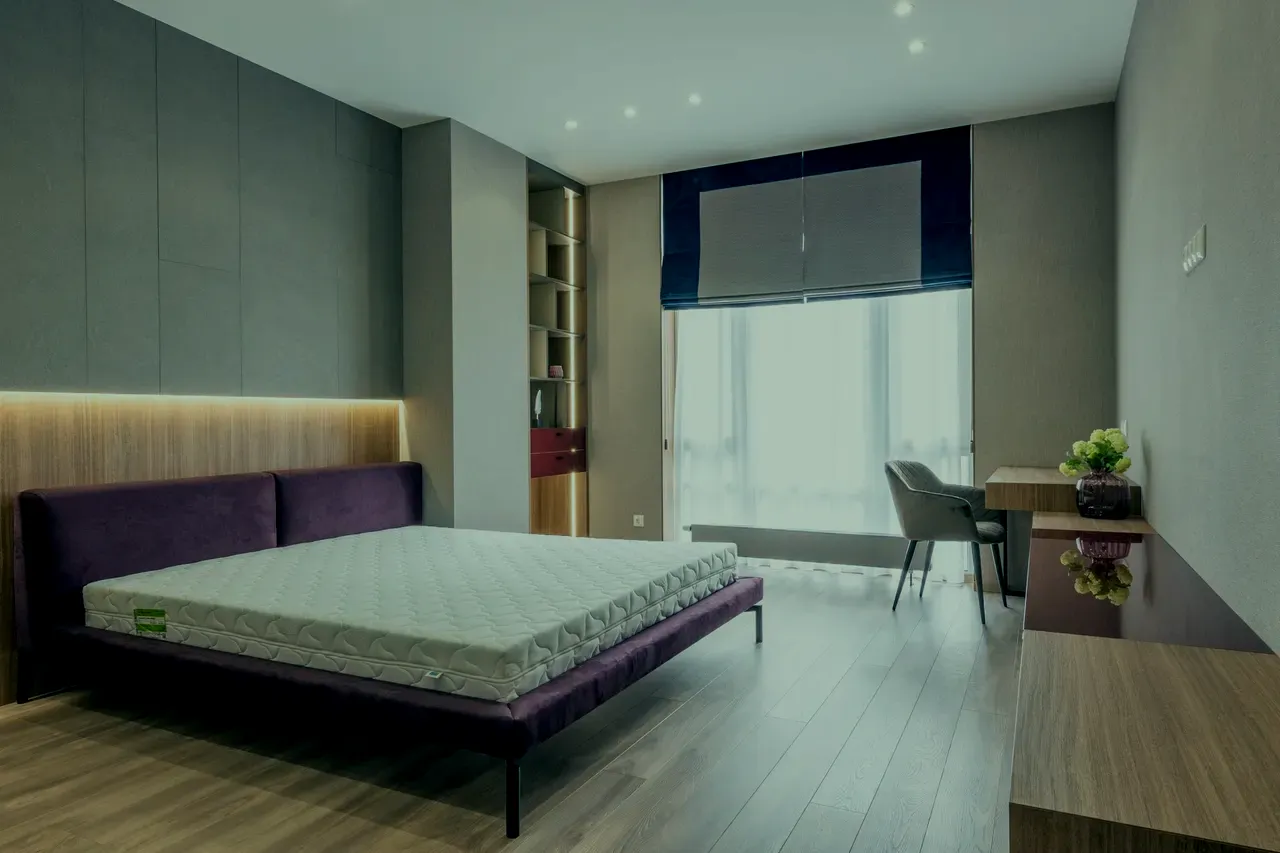
Heat treatment raises a home or apartment to temperatures that kill every life stage in the heated space, eggs included. Bugs hiding in wall voids or cooler spots can still escape, so providers often add a residual and a return inspection afterward.
View service
Chemical treatment puts residual products on frames and edges and dusts in cracks and voids, applied by a licensed business. Some products leave eggs alive, which is why the return visit makes this method work: it reaches nymphs that hatched after the first application dried. Ask about re-entry times.
View service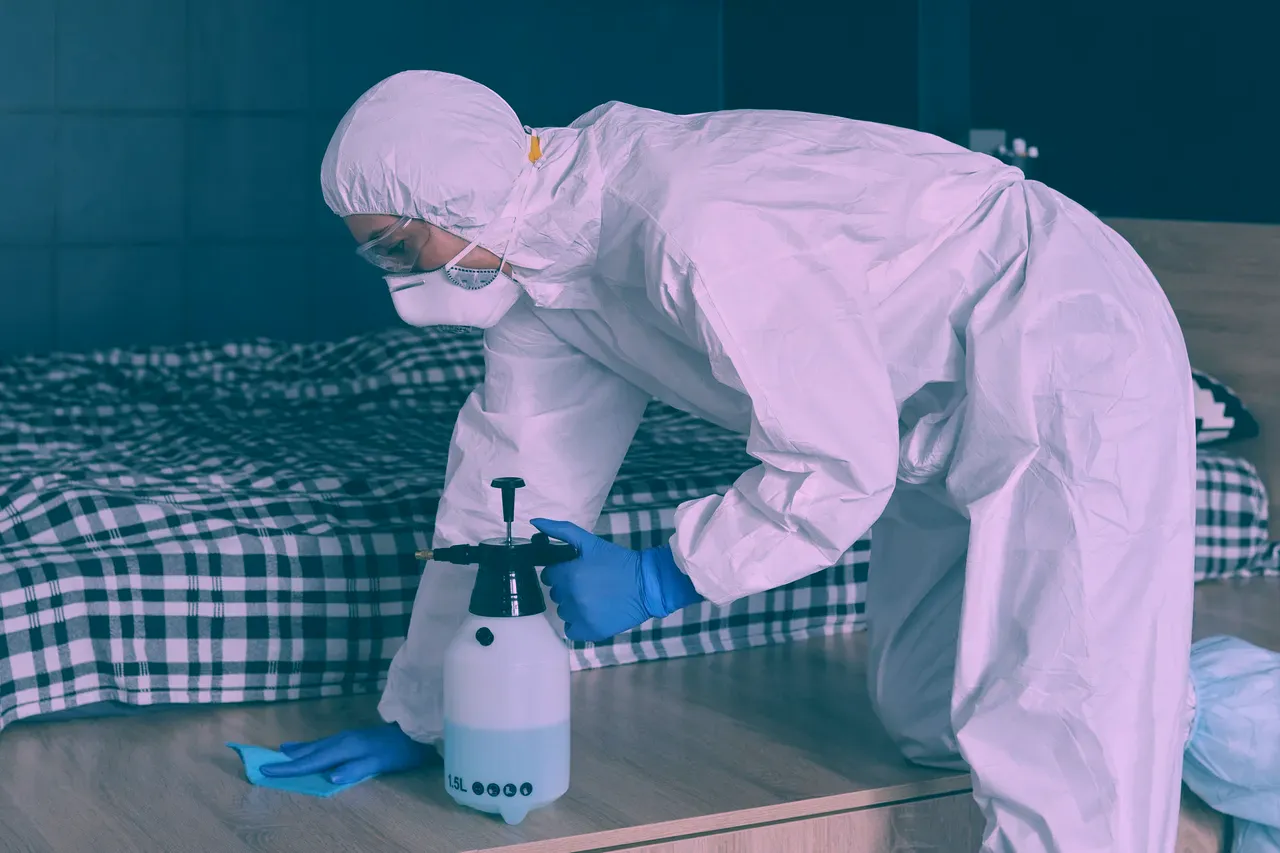
Apartment treatment covers duplexes and larger buildings, where bed bugs move through shared walls and pipe openings. Providers usually coordinate with property managers, check the adjoining units and write notes for the lease files. With 33.4 percent of Rockford's units in buildings with two or more units, one missed unit can reinfest its neighbors.
View serviceYour call to the number on this site runs through a call-tracking service, may be recorded, and is connected to an independent local provider that serves Rockford. Calls are connected 6 a.m. to midnight Central Time (7 a.m. to 1 a.m. during daylight saving time). The provider books the inspection and sets the price.