One number
A single referral line for bed bug calls in Rockford.

Apartment bed bug treatment in Rockford works out better when the plan looks beyond the unit where bites were first noticed, because bed bugs do not stop at a shared wall. Calls to this referral line connect tenants, landlords, and managers across Rockford, IL with independent local providers who handle single apartments, two-flats, and larger buildings. About 45.1 percent of Rockford homes are renter-occupied, so many households share walls, hallways, and laundry rooms with neighbors.
A single referral line for bed bug calls in Rockford.
Providers usually inspect before giving a price.
Calls go to providers who serve Rockford.
Look up the company in IDPH's business search.
Most apartment jobs come in three stages: inspecting, treating, and checking back afterward. What the price includes, and what is added on, is up to each provider, so ask before you say yes. Here is what a Rockford apartment treatment commonly looks like.
The provider normally starts with the unit that reported bites and often looks at the apartments on each side and above and below, checking mattress seams, box springs, headboards, outlet plates, and baseboards. Some use dogs or thermal cameras; ask.
The method follows from the inspection. Heat can reach adults, nymphs, and eggs in one session but leaves nothing behind. Residual products keep working on treated surfaces for a while. In heavier cases, providers often combine the two.
Providers frequently suggest zippered encasements for every treated bed. Bugs left inside cannot get out, and the plain fabric leaves new arrivals fewer hiding places. Ask whether the covers are part of the job or charged separately.
Interceptor cups under the bed legs and monitors along the baseboards catch bugs that survived and show over time whether treatment is holding. Ask the provider who checks them, how often, and what happens if a bug turns up.
Ask for an inspection report and a treatment record for each apartment on the plan. Dated paperwork helps tenants and owners alike. Any retreatment terms or warranty come from the provider, so get them in writing before the first visit.
Describe what you have found and hear the next step from a provider in your area.
Apartment bed bug treatment in Rockford is pest control shaped around shared housing: locating, treating, and then monitoring bed bugs in apartments, two-flats, converted houses, and rented homes, including the mattresses, box springs, upholstered furniture, and gaps around outlets and baseboards where they shelter. The provider you are connected with usually inspects the unit that called first and the units around it, then chooses heat, steam, residual products, or a combination depending on how far the bugs have moved. Interceptors and monitors placed afterward help show whether activity has ended. The Illinois Department of Public Health notes that pest management professionals are licensed by the state.
In Rockford, 33.4 percent of housing units are in buildings with two or more units, and the Illinois Department of Public Health says infestations in multi-unit buildings can move between units. Bugs can slip through outlet boxes, baseboard gaps, and pipe openings, and IDPH adds that bed bugs "hitchhike" more easily than ever. Many tenant calls follow the same arc: one household notices bites or small dark spots, and a neighbor reports something similar weeks later. Telling the landlord or manager early and booking an inspection keeps one apartment's problem from becoming a building-wide job.
A call to this line connects you with an independent local provider. Have your address or ZIP ready, plus how many apartments are involved, what residents have seen, and about when the bites started. With that information the provider can judge whether one unit or a wider inspection makes sense, and sets a time.
The provider works through the reported apartment and usually the ones beside it, looking at mattress seams, box springs, headboards, outlet plates, and baseboards. Some bring detection dogs or thermal cameras; ask. Tenants can help by sharing dated notes and photos. The time needed depends on how many units are checked.
The cost is based on the number of units and the method, and you can ask for it in writing before any work begins. Heat sessions and chemical visits run for different lengths of time, and chemical treatment also needs time to dry. In a multi-unit building, the owner or manager usually approves the plan.
Tenants deal with clothing, bedding, and personal items the way the provider's prep sheet says. The work commonly covers mattresses and box springs, steaming of furniture and baseboards, residual sprays and dusts, and encasements on the beds. During a heat job the room is brought to a lethal temperature and held there.
Many providers return after treatment to look at the interceptors and monitors. If live bed bugs show up, ask how retreatment is handled. When the follow-up checks find nothing, ask for that in writing and keep it with your records.
Some providers use trained dogs to point out apartments that may hold live bed bugs or eggs. Ask whether a dog will be used and whether each alert is then confirmed by eye.
Some providers carry thermal cameras during inspections or heat work, mainly to track temperatures inside walls and furniture. Ask how activity is confirmed before treating a room.
Heaters and fans raise a room to a temperature bed bugs cannot survive and keep it there. Done properly, heat can reach every life stage, eggs included, in one session.
Steam kills bed bugs and eggs on contact in mattress seams, box springs, and joints of furniture. Providers often use it with residual products to treat spots where a spray works poorly.
A HEPA vacuum removes live bugs, shed skins, and eggs from carpet and cracks. Providers frequently vacuum first, then seal the bag and carry it out of the apartment at once.
Professionals apply EPA-registered products to baseboards, cracks, and furniture. IDPH notes that pest management professionals are state licensed, and residual products keep acting on treated surfaces.
Interceptors under the bed legs and monitors by the baseboards catch survivors and help show whether treatment worked. Ask when they will be checked.
The whole room is heated to a lethal temperature and held there for several hours. Because one session can kill bed bugs and their eggs, many providers suggest heat for heavier infestations. Ask how long residents should stay out.
Professionals place EPA-registered residual sprays and dusts along baseboards, into cracks, and inside wall gaps. They continue working after application, reaching bugs that hatch later or crawl over treated areas. Rockford's Property Standards call for infested structures to be exterminated by professional exterminators.
Steam kills bed bugs and eggs on contact in mattress seams and furniture joints. A HEPA vacuum takes out live bugs and debris without spreading them around. Providers often do both before residual products go down, so those products land on clean surfaces.
Zippered encasements on the mattress and box spring hold in any remaining bed bugs and keep new ones from settling inside. Interceptors sit under the bed legs and monitors along the baseboards, so the provider, the tenant, and the manager can all tell whether treatment worked.
The tenant should notify the landlord or manager in writing, with dated notes and photos attached. In Rockford, the Neighborhood Standards Department takes property concerns through its Report a Concern option. A provider typically inspects that apartment and the units beside, above, and below it. If bugs are found, the provider explains the options, the prep sheet, and the follow-up plan. Timing and outcomes vary, so ask.
A vacant apartment is generally simpler to treat before the next tenant moves in, since there is less to bag and prepare. Many providers suggest heat for empty units and a check of the neighboring apartments in case bugs have moved. File the written records with the unit before the new lease starts.
A pattern like that often points to a building-wide plan: inspecting every nearby apartment and treating the affected group together. Providers frequently combine heat and residual methods and leave monitors in each treated unit. Ask how the building will be priced and request a written record for each unit.
Start with an inspection of the entire property, then set out a plan by unit and by floor. The provider can explain how to schedule around current tenants and which paperwork to keep. Before hiring, confirm the company appears in the Illinois Department of Public Health's Pest Control Business Search.
Rockford has 147,521 residents and 67,423 housing units. Of the occupied homes, 45.1 percent are rented, and 33.4 percent of units are in buildings with two or more units, 16.6 percent in buildings with five or more. Much of the housing is older: the median year built is 1963, and 74.3 percent of units went up before 1980. The Illinois Department of Public Health says infestations in multi-unit buildings can move between units, which is why providers usually look at neighboring apartments early. Rockford's Property Standards page says all structures shall be kept free from insect infestation, that infested structures must be exterminated by professional exterminators, and that precautions against re-infestation fall on both the owner and the occupant. The city follows the 2021 ICC code cycle, with local amendments to the 2021 International Property Maintenance Code, and its Neighborhood Standards Department takes complaints. Rockford also runs a Rental / Short-Term Rental Registry. This site gives no legal advice.
Haight Village, ZIP 61104, the historic area around Kishwaukee Street. If you rent part of an older house or a small building, tell the provider about shared walls.
Brown's Hills-Knightsville, ZIP 61107, by North Second Street. In a rented house or two-flat, the provider often starts in the bedrooms and looks at used furniture.
Rockford neighborhoods in the city part of 61101, such as West Downtown and the Avon Street area. Tenants can call the same line; mention the building type and number of units.
On either side of Auburn Street, in the Rockford part of 61103. Calls from these addresses work the same way; give the provider your street and building type.
Bed bugs can get into the next apartment without ever crossing the hallway. Providers often inspect adjoining units and treat wall gaps to cut off those routes.
IDPH says bed bugs "hitchhike" more easily than ever. They arrive in luggage, boxes, and used furniture, so check vacant units before new tenants arrive.
Bed bugs live indoors near the people they feed on, so calls come in through the year. Waiting for a season to pass only lets them spread.
Shared spaces can carry bed bugs into apartments that were clean. Ask the provider to include laundry rooms and lobbies when planning a building-wide job.
Several apartments report bed bugs, and the owner has twice used store-bought sprays in one of them. The bites go on, and another tenant reports them weeks later.
A provider generally inspects every nearby unit, treats the ones with confirmed bugs, and sets follow-up checks. IDPH says aerosol space treatments are ineffective against well-hidden bed bugs.
Afterward: Interceptors under each bed and monitors in the shared rooms help catch any new activity early. The owner keeps dated records and calls the provider if bugs reappear.
A tenant finds bed bugs in a secondhand mattress and box spring. The other unit in the two-flat has no bites yet, but the two share a wall and the plumbing.
The provider usually inspects both units and may treat both, depending on the findings. Each household follows the prep sheet, and later checks show whether the activity has stopped.
Afterward: Encasements on both beds and interceptors under each bed leg make fresh activity easier to spot. The owner asks tenants to look over used furniture before bringing it into the building.
Bed bugs keep showing up again in the same cluster of apartments. Earlier treatments covered one unit at a time, and new reports arrive every few weeks.
A wider inspection often finds bugs in apartments no one had mentioned. The provider may treat the whole cluster at once and leave monitors in every unit, then compare what each follow-up visit finds before the group is considered clear.
Afterward: The manager checks interceptors on a regular schedule and books periodic inspections. Units between tenants get a quick check before the next residents move in.
Bed bugs seldom stay in a single apartment. They can move through wall gaps, laundry rooms, and shared furniture. These are common problems and how providers usually approach them.
One apartment left untreated can keep feeding bugs to the units around it, which adds to treatment costs and strains relations between tenants and owners. IDPH says infestations in multi-unit buildings can move between units. Providers often inspect and treat neighboring apartments on the first visit and dust wall gaps and outlets, addressing the movement instead of chasing it.
Store-bought sprays mostly reach the bugs out in the open, while eggs and hidden adults survive. IDPH says "Space treatments with aerosols are ineffective" against well-hidden bed bugs, so skip foggers and bug bombs. Providers usually rely on heat or steam to reach every life stage, add residual products, and come back to check.
An apartment left out of treatment can become a source that reinfests the units around it. Providers usually supply prep sheets and work out entry times with managers. Owners and tenants should both keep dated, written records of notices and access attempts. Rockford's Property Standards place precautions against re-infestation on both the owner and the occupant; this site gives no legal advice.
Shared spaces can bring bed bugs into apartments that had none, turning a small problem into a building-wide one. Providers often inspect laundry rooms, hallways, and lobby seating and treat them with steam and residual products. Rockford's Property Standards say all structures shall be kept free from insect infestation.
Set by each provider after the inspection
This site does not publish prices; the provider you are connected with sets the cost of treating a Rockford apartment, usually once the inspection is done. The method, the number of units, and how far the bed bugs have spread all affect the total. A job covering a whole building is often priced differently from a single apartment, because several units are inspected and treated during the same visit. Ask for a written quote before anything starts, and check which follow-up visits and retreatment terms it covers.
When comparing quotes, look at what each covers: checks of neighboring units, all life stages, encasements, monitors, and follow-up visits. A lower figure that covers one apartment can cost more if bugs return.
Treating one apartment is not priced like treating ten. When a group of units is inspected and treated together, the cost for each unit can change. Ask how the provider prices a whole building after inspecting.
Heat usually takes longer per unit than chemical treatment and uses more equipment, and that is reflected in the cost. Chemical work may need more than one visit. Heavy infestations often get both methods, so ask for each part of the quote spelled out.
A handful of bugs in one bedroom takes less work than an infestation spread across several rooms and the furniture. Severe cases may need a second round, which changes the total.
Older buildings with shared walls and pipe openings can take longer, because providers often treat those gaps too. Clutter and unit size also change how long each visit lasts.
Ask whether follow-up visits are included in the price and how many there will be. Retreatment terms belong to the provider, not this site, so get them in writing first.
In Illinois, the Illinois Department of Public Health's Structural Pest Control Program licenses structural pest control businesses and certifies technicians; it is IDPH, not the Department of Agriculture. You can look up a company in IDPH's Pest Control Business Search. This site found no Illinois state law specific to bed bugs. Locally, Rockford's Property Standards say infested structures must be exterminated by professional exterminators, with re-infestation precautions on both owner and occupant. Rockford follows the 2021 ICC code cycle with local amendments to the 2021 International Property Maintenance Code, and Neighborhood Standards takes complaints. This site draws no legal conclusions.

A landlord with a few rental units near Kishwaukee Street hears about bed bugs from two separate tenants. A provider generally inspects every unit, treats the ones where bugs are confirmed, and books follow-up checks. The landlord should ask for a written report on each unit and keep every tenant notice on file. Outcomes depend on access and how well each unit is prepared.
A tenant finds bed bugs along a mattress seam and worries about the neighbors next door. The tenant writes to the landlord, keeps dated notes and photos, and follows the prep sheet once it arrives. The provider decides whether the neighboring units should be inspected too. When the tenant can return depends on the method chosen.
A tenant in one wing of a larger complex keeps hearing from neighbors about new reports. A wider inspection may turn up bugs in apartments nobody had mentioned. The provider can treat that wing together and place monitors in every unit. The tenant should ask the manager when follow-up visits happen and what records will be shared.
This site found no Illinois state law specific to bed bugs and cannot give legal advice or say who pays. IDPH says its program cannot hold a landlord accountable and points tenants to local offices. Rockford's Property Standards say infested structures must be exterminated by professional exterminators, with re-infestation precautions on both owner and occupant. Neighborhood Standards takes complaints. Report problems in writing.
A provider typically inspects the reported apartment and those around it, since IDPH says infestations in multi-unit buildings can move between units. Treatment may use heat, steam, residual sprays, and dusts. Heat holds a room at a lethal temperature for hours to reach every life stage. Encasements, interceptors, and return visits usually follow.
It can be, though providers generally want to check the units beside, above, and below it first. Leaving neighbors unchecked is a frequent reason bed bugs come back. If the inspection finds bugs only in that apartment, treating it alone may be enough. If nearby units show signs, the provider will likely suggest adding them to the plan.
It depends on the method and the number of apartments. Chemical treatment needs time to apply and then time to dry, while heat runs longer because the room is held at temperature. A whole-building job can take several days. Ask the provider how long residents must stay out and when the follow-up visits will be.
Don't see your question? Call the referral line and a local provider can go over timing and next steps.
Ask a provider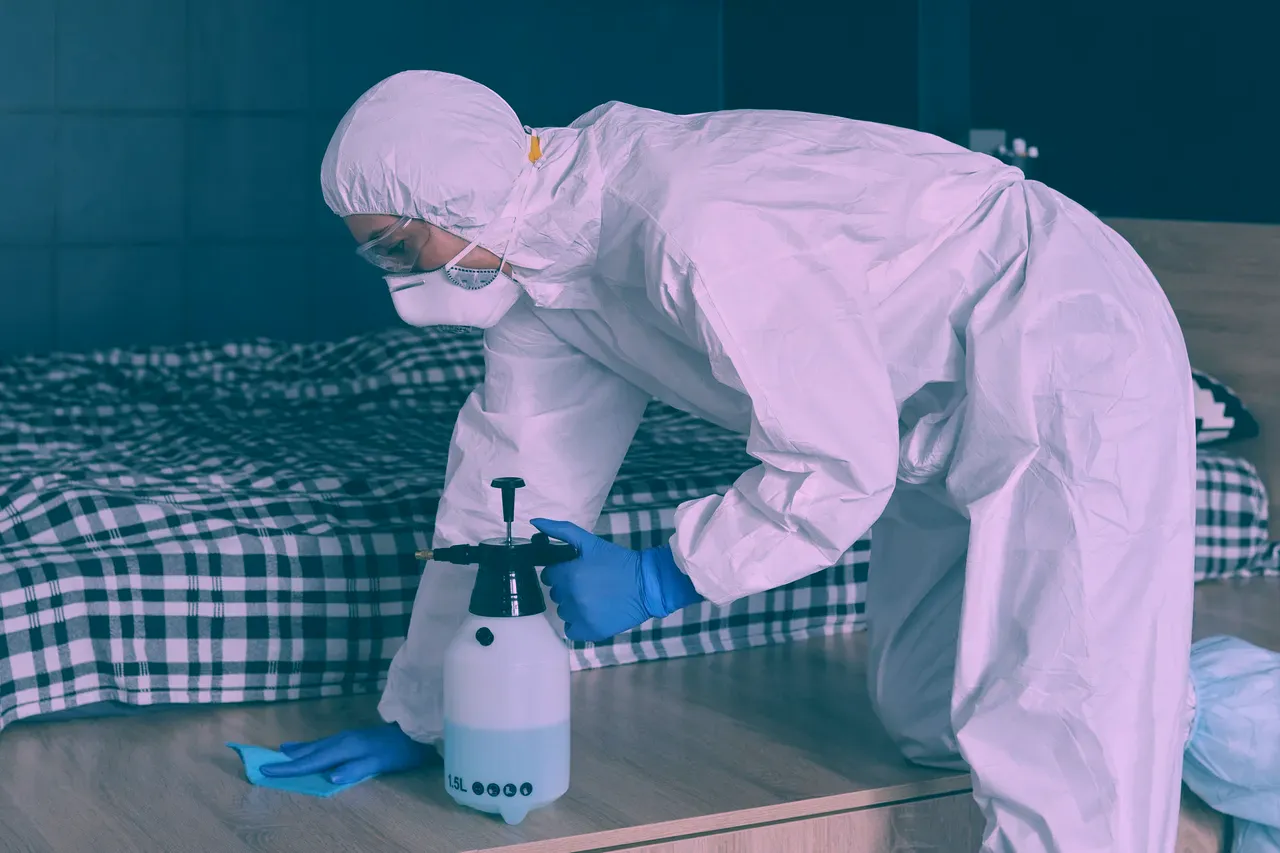
Treating an apartment starts with an inspection. A provider usually checks mattress seams, box springs, outlet plates, and baseboards in each unit, and some use detection dogs or thermal cameras. Ask for a written report showing exactly where bed bugs turned up.
View service
Professional heat treatment raises an apartment to a temperature bed bugs cannot survive and holds it for hours. One session can kill bed bugs and their eggs, which helps with heavier infestations. Ask the provider how long residents must be away and how to get ready.
View service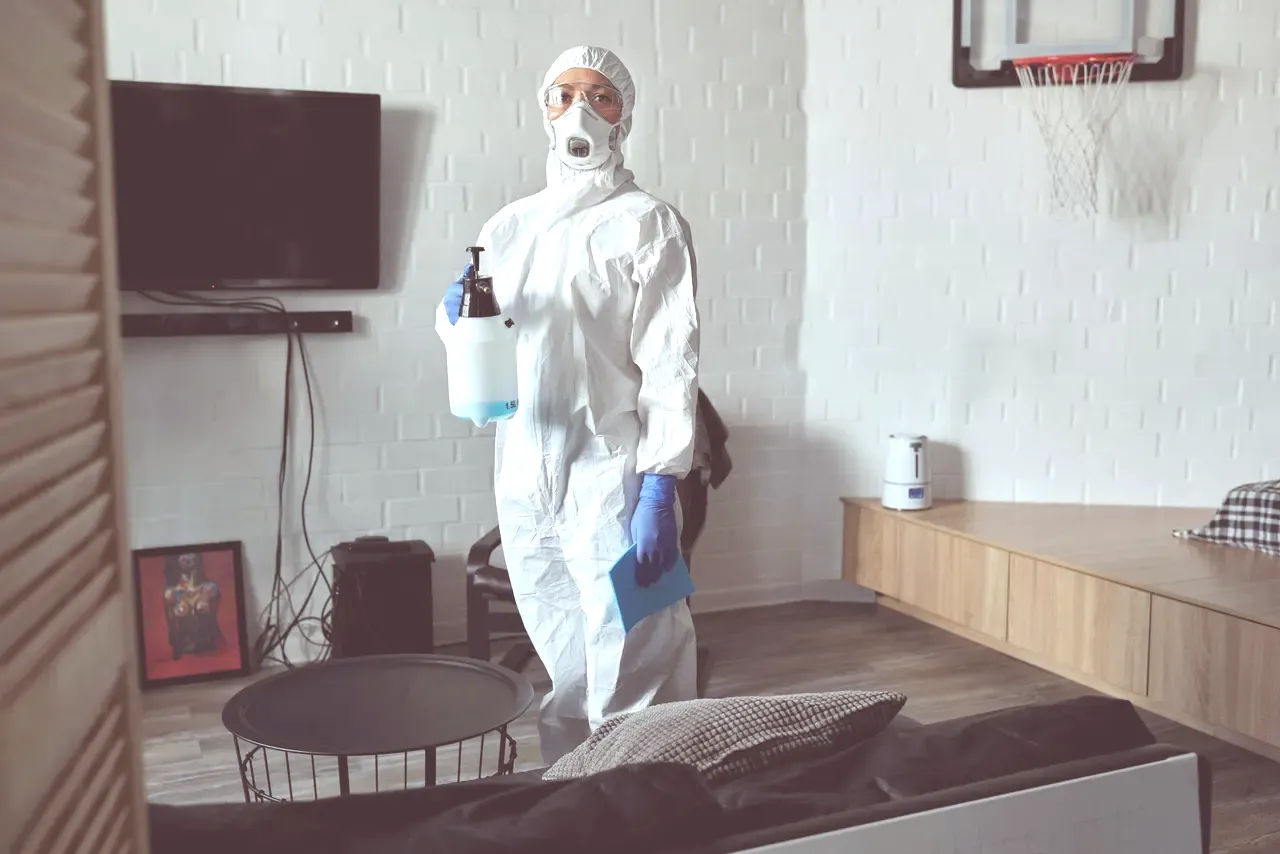
Professionals apply EPA-registered products to baseboards, cracks, and furniture, and residual products continue working after application. Chemical treatment often suits light to moderate cases and is combined with heat for heavier ones. Skip foggers; IDPH calls aerosol space treatments ineffective.
View serviceMany providers return after treatment to check the monitors and interceptors. If live bed bugs appear, ask how retreatment is handled. Return visits are how you learn whether the infestation is over or was only slowed down for a few weeks.
View serviceYour call to the number on this site runs through a call-tracking service, may be recorded, and is connected to an independent local provider that serves Rockford. Calls are connected 6 a.m. to midnight Central Time (7 a.m. to 1 a.m. during daylight saving time). The provider books the inspection and sets the price.